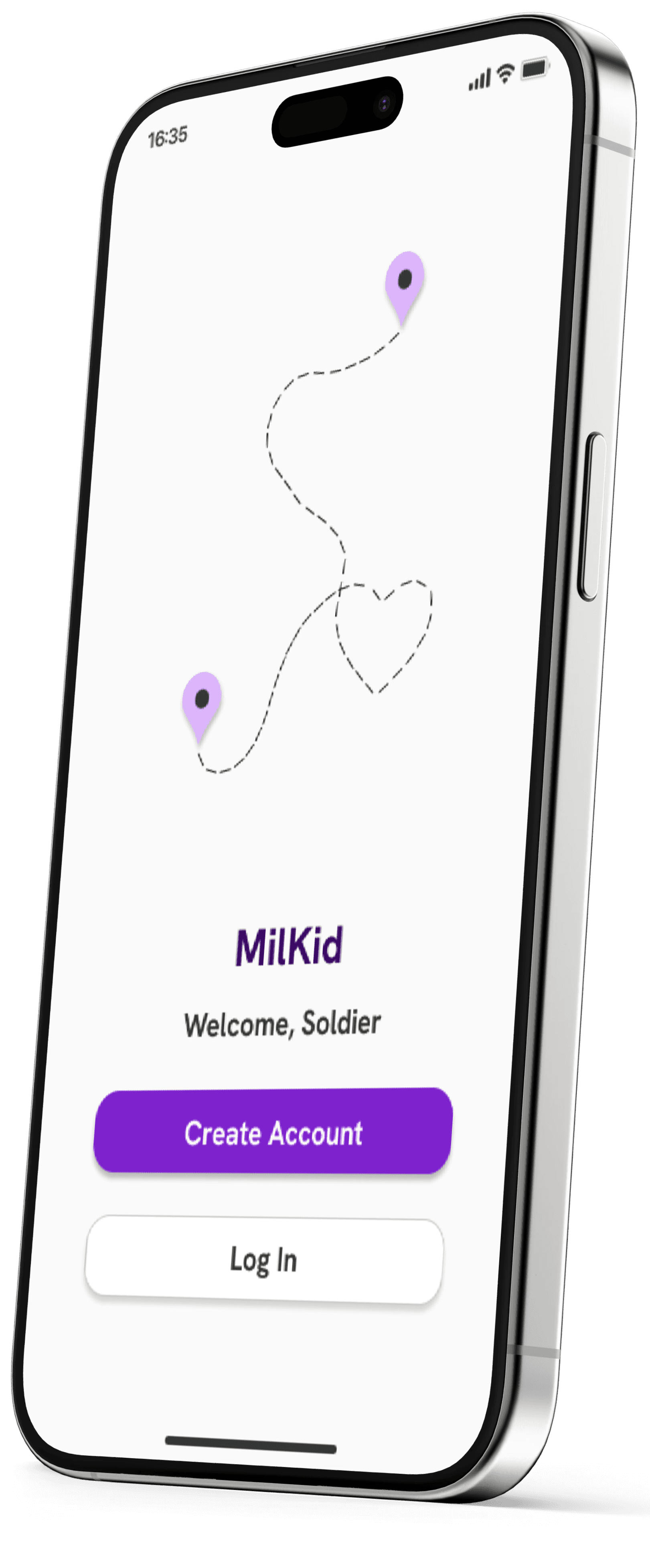
MilKid

Your companion for every move
OVERVIEW

General Info

Role

Research

Usability Testing

UI Design/Prototyping

Team

Solo

Duration

2 weeks

The Brief

Military kids move every couple years, uprooting friendships and rebuilding their lives. The stress of constant change takes a toll at crucial growing moments, yet these kids are the most underrepresented group in military family support.

Outcome

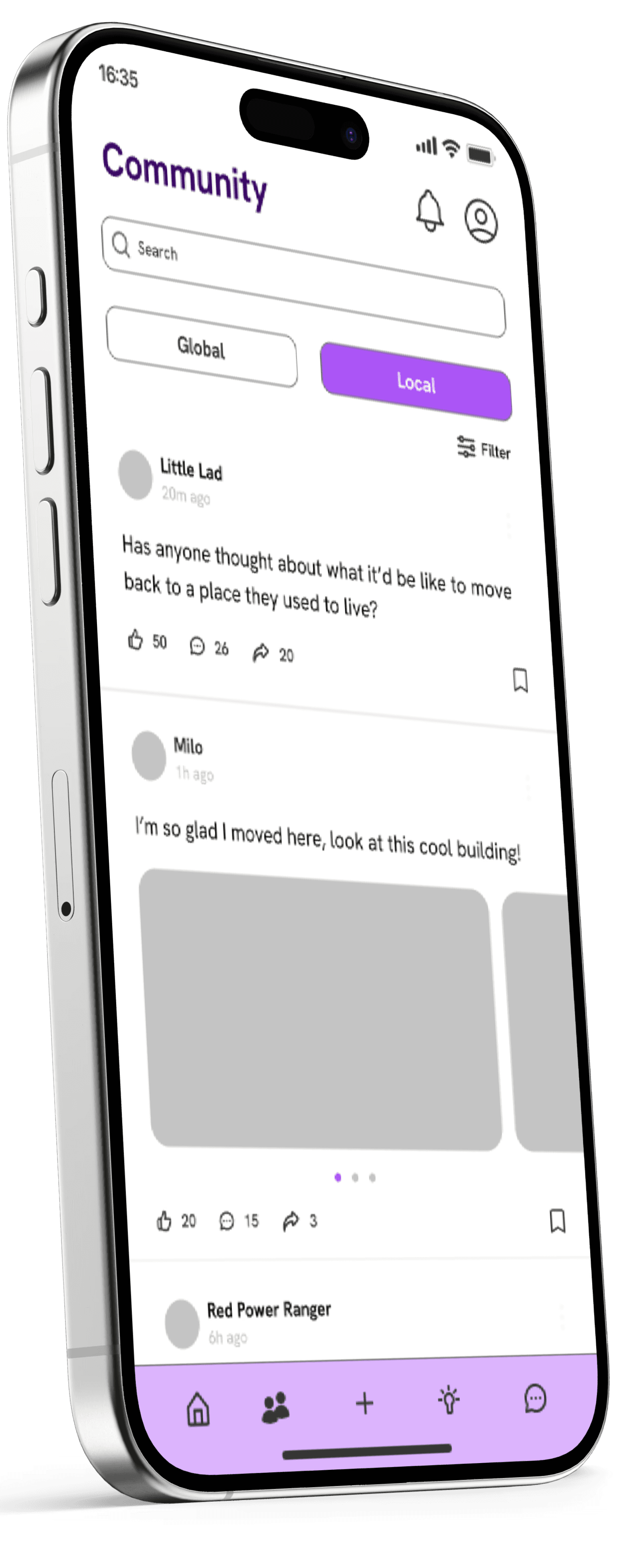
I designed MilKid, an app where military kids can connect with others going through the same moves/experiences, find resources, and feel less alone through every transition.

Problem

Starting Over, Again and Again
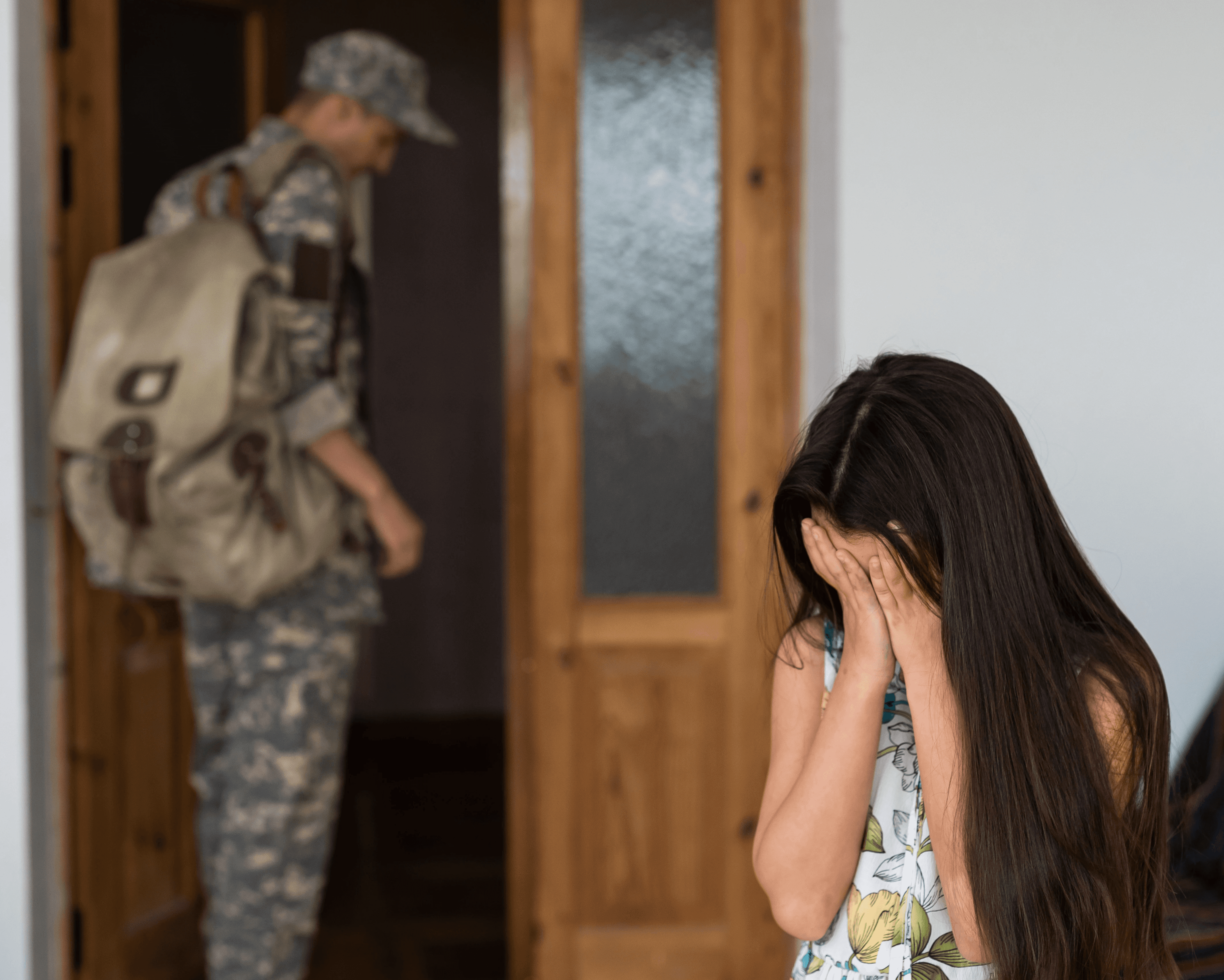
Imagine building close friendships over two years—feeling at home, finding your place. Then knowing it will all end. You'll move again. Start over. Meet new people. Navigate a new school. Do it all again.


That's the reality for 1.2 million military kids.

Imagine building close friendships over two years—feeling at home, finding your place. Then knowing it will all end. You'll move again. Start over. Meet new people. Navigate a new school. Do it all again.


That's the reality for 1.2 million military kids.

Imagine building close friendships over two years—feeling at home, finding your place. Then knowing it will all end. You'll move again. Start over. Meet new people. Navigate a new school. Do it all again.


That's the reality for 1.2 million military kids.

Photo provided by Adobe

Photo provided by Adobe

Permanent Change of Station (PCS)

PCS requires military families to move about every 2-3 years, with most kids attending civilian schools. 55% of young dependents are ages 6-18, which are the prime development years. They move about 6-9 times, more than 3x the national average.

Affects on Mental Health

  • Higher rates of anxiety and depression than civilian peers

  • Fear of the unknown and instability

  • Loss of friendships every 2-3 years

  • Feeling overlooked—despite being the largest demographic in military families

Opportunity

Military dependents are the largest demographic in the military family community, even outnumbering spouses—yet, they are systemically underrepresented and often overlooked.


This leads to the question:


How can military kids be alleviated of the stress that comes with PCS?

Military dependents are the largest demographic in the military family community, even outnumbering spouses—yet, they are systemically underrepresented and often overlooked.


This leads to the question:


How can military kids be alleviated of the stress that comes with PCS?

Military dependents are the largest demographic in the military family community, even outnumbering spouses—yet, they are systemically underrepresented and often overlooked.


This leads to the question:


How can military kids be alleviated of the stress that comes with PCS?

Primary RESEARCH

Hearing From Those Who Lived It

Hearing From Those Who
Lived It

I gathered feedback from 26 individuals who have experienced military moves.

Survey︱26 Responses

Survey Demographics? Middle School and High School Ages

Average Amount of Moves? 7 moves

Stage of School During Most Difficult Move: Elementary


The themes were consistent: loss of friendships, anxiety about fitting in, fear of the unknown, instability amplified by being young or shy.


These weren't just statistics. These were kids who endured constant uncertainty. This was my own experience too.


"Just knowing that your life is about to start over once again and not knowing how long you’ll be there or who you’ll meet made me nervous.”

- User

81%

Believe there aren't

many resources to aid military kids in the moving process

81%

Didn't know much

about the places they were moving to

90.5%

Felt nervous about moves

"Just knowing that your life is about to start over once again and not knowing how long you’ll be there or who you’ll meet made me nervous.”

- User

PERSONAS

Two Kids, Two Challenges

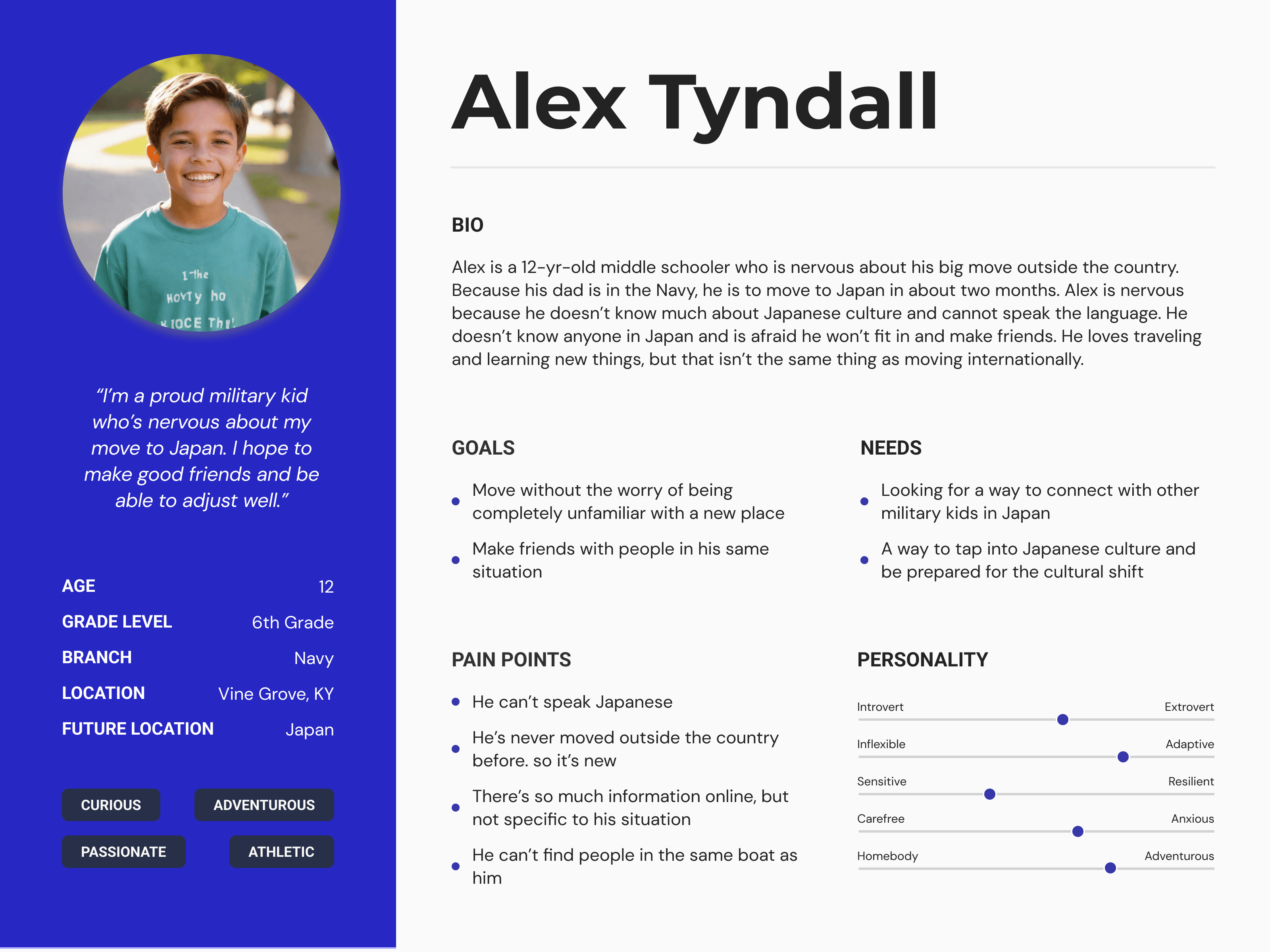
Leigh and Alex are children of different ages who are preparing to move, each facing challenges from moving domestic or internationally at different stages of their youth.
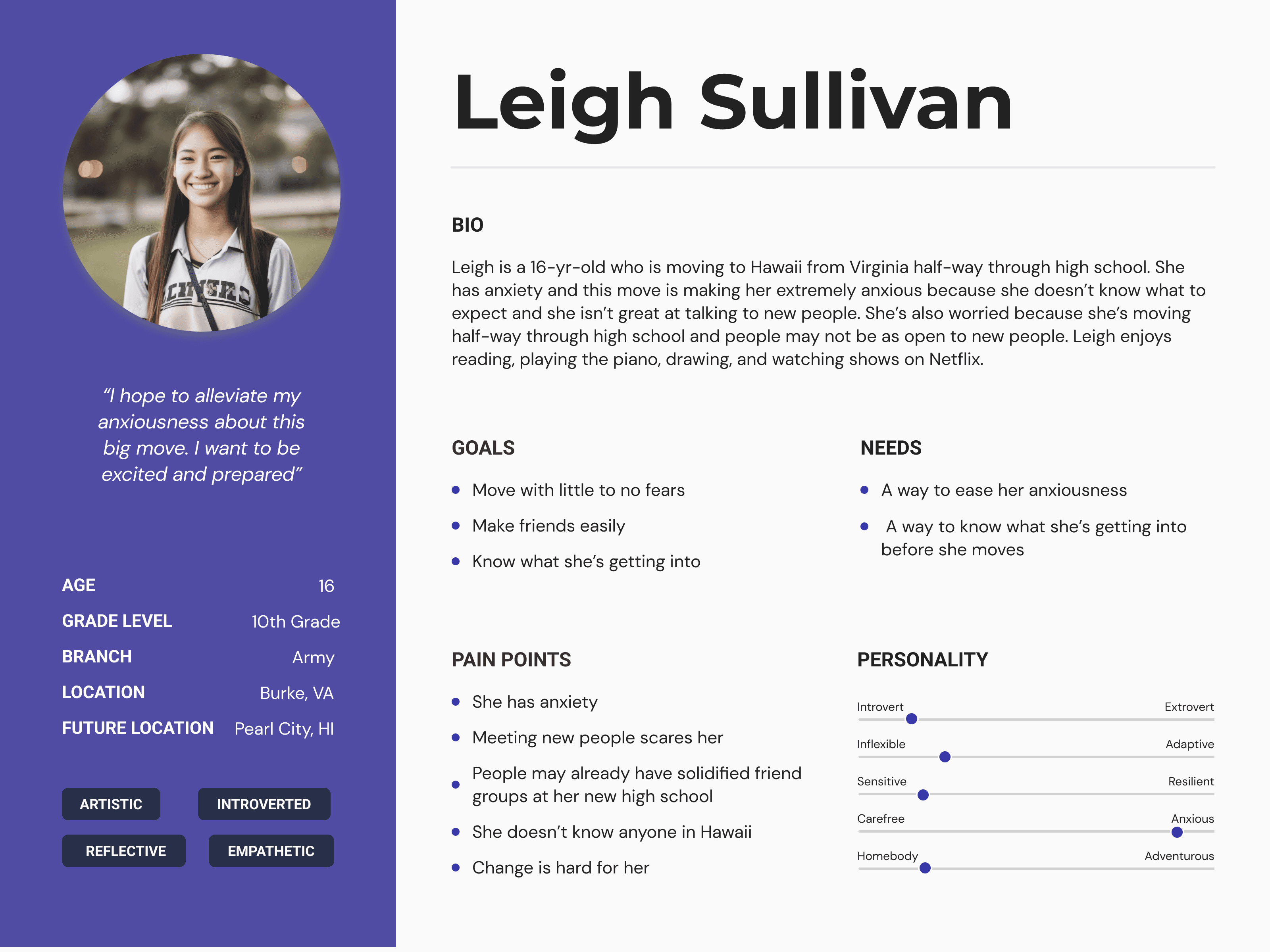
Leigh's Pain Points

  • Moving halfway through high school

  • Has anxiety

  • Worried about meeting new people and making friends

  • Doesn't know anyone at her new station

  • Isn't good with change

Leigh's Pain Points

  • Moving halfway through high school

  • Has anxiety

  • Worried about meeting new people and making friends

  • Doesn't know anyone at her new station

  • Isn't good with change

How I addressed her pain points

  • Can interact with others like her

  • Can know what to expect

How I addressed her pain points

  • Can interact with others like her

  • Can know what to expect

Alex's Pain Points

  • Moving to Japan and can't speak the language

  • Never moved outside the US

  • Can't find much info online or people in his specific situation

Alex's Pain Points

  • Moving to Japan and can't speak the language

  • Never moved outside the US

  • Can't find much info online or people in his specific situation

How I addressed his pain points

  • Included a way to connect with other kids who are in the same situation of moving countries

How I addressed his pain points

  • Included a way to connect with other kids who are in the same situation of moving countries

JOURNEY MAP

Empathizing with the user
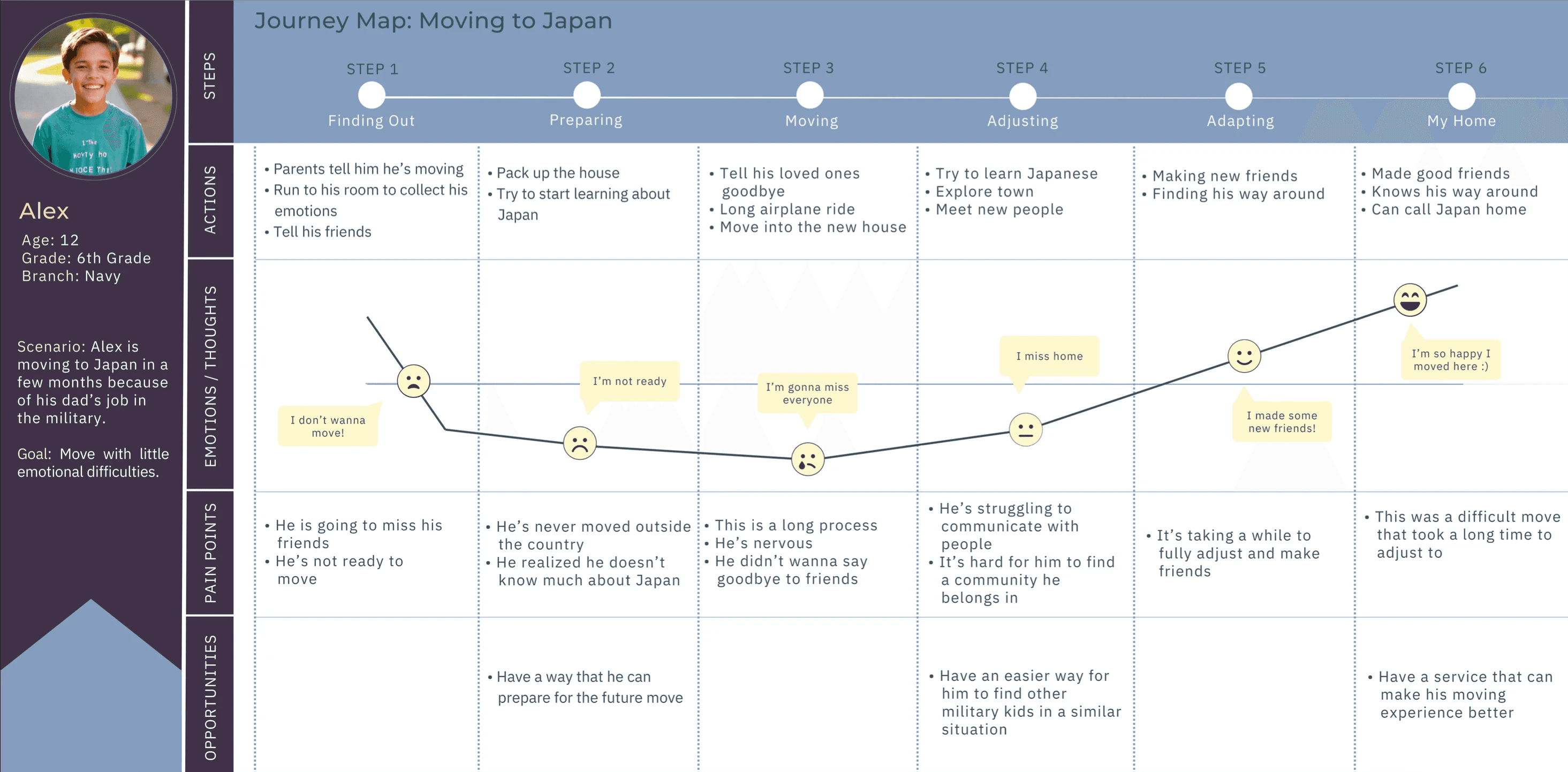
Mapping out a military kids' experience as they undergo a difficult move allowed me to visualize and contextualize how to implement solutions into the app.

INFORMATION ARCHITECTURE

The Roadblock: Keeping Kids Safe

Early on, I hit a critical challenge: security.
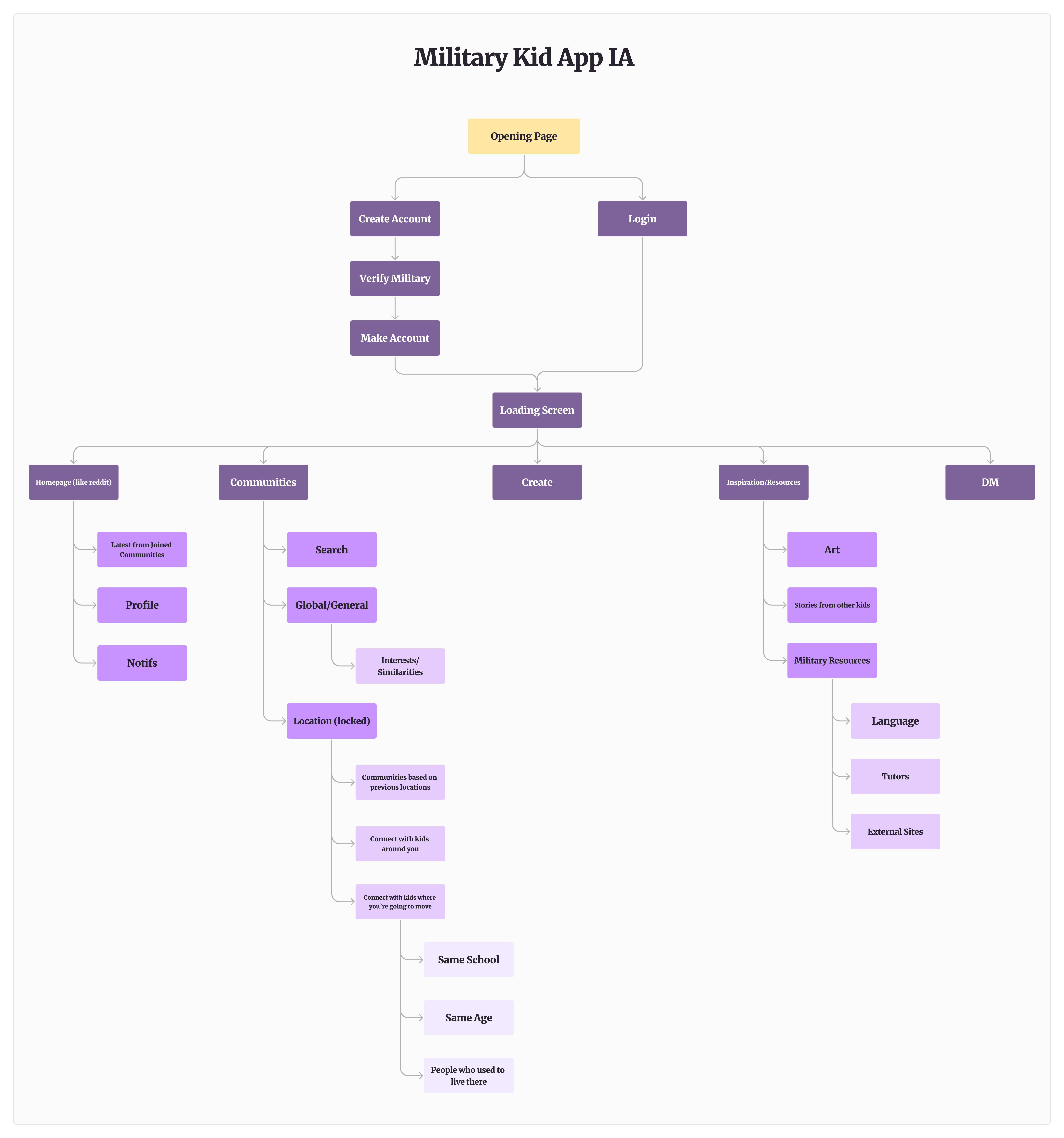
Military kids needed a safe space to connect, but how do you verify users without putting them at risk? I considered having kids upload photos of military IDs, but that felt invasive and insecure.


The solution: After consulting a high-ranking Army cybersecurity officer, I integrated ID.me—the same authentication system used by the military and government.


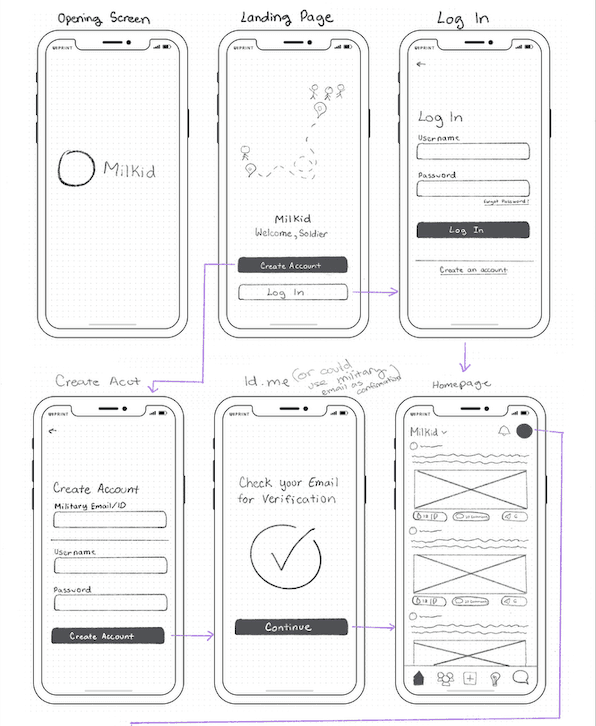
How it works: Parents help kids create accounts, verify military affiliation through ID.me, then kids can safely use the app. It keeps non-military users out while giving parents peace of mind.

Security wasn't a nice-to-have. It was the foundation.

Military kids needed a safe space to connect, but how do you verify users without putting them at risk? I considered having kids upload photos of military IDs, but that felt invasive and insecure.


The solution: After consulting a high-ranking Army cybersecurity officer, I integrated ID.me—the same authentication system used by the military and government.


How it works: Parents help kids create accounts, verify military affiliation through ID.me, then kids can safely use the app. It keeps non-military users out while giving parents peace of mind.

Security wasn't a nice-to-have. It was the foundation.

WIREFRAMES

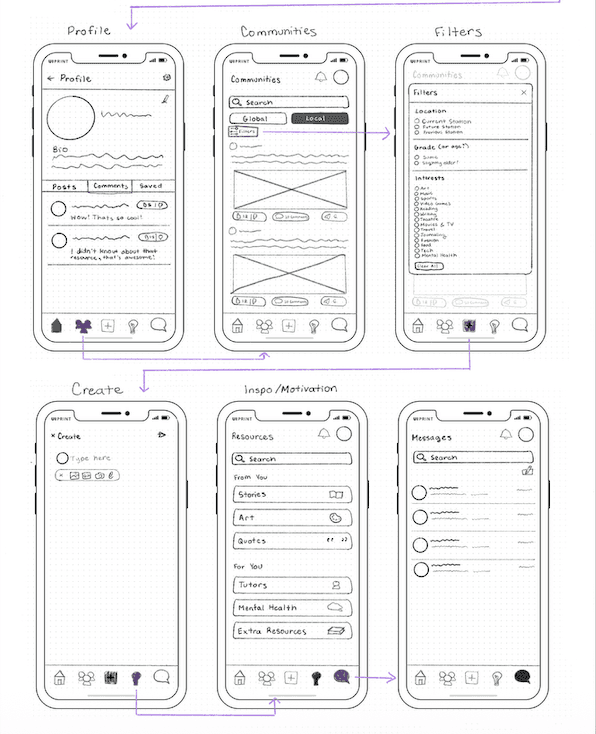
From words to visuals

Tab 1 of 2: Low-Fi 1

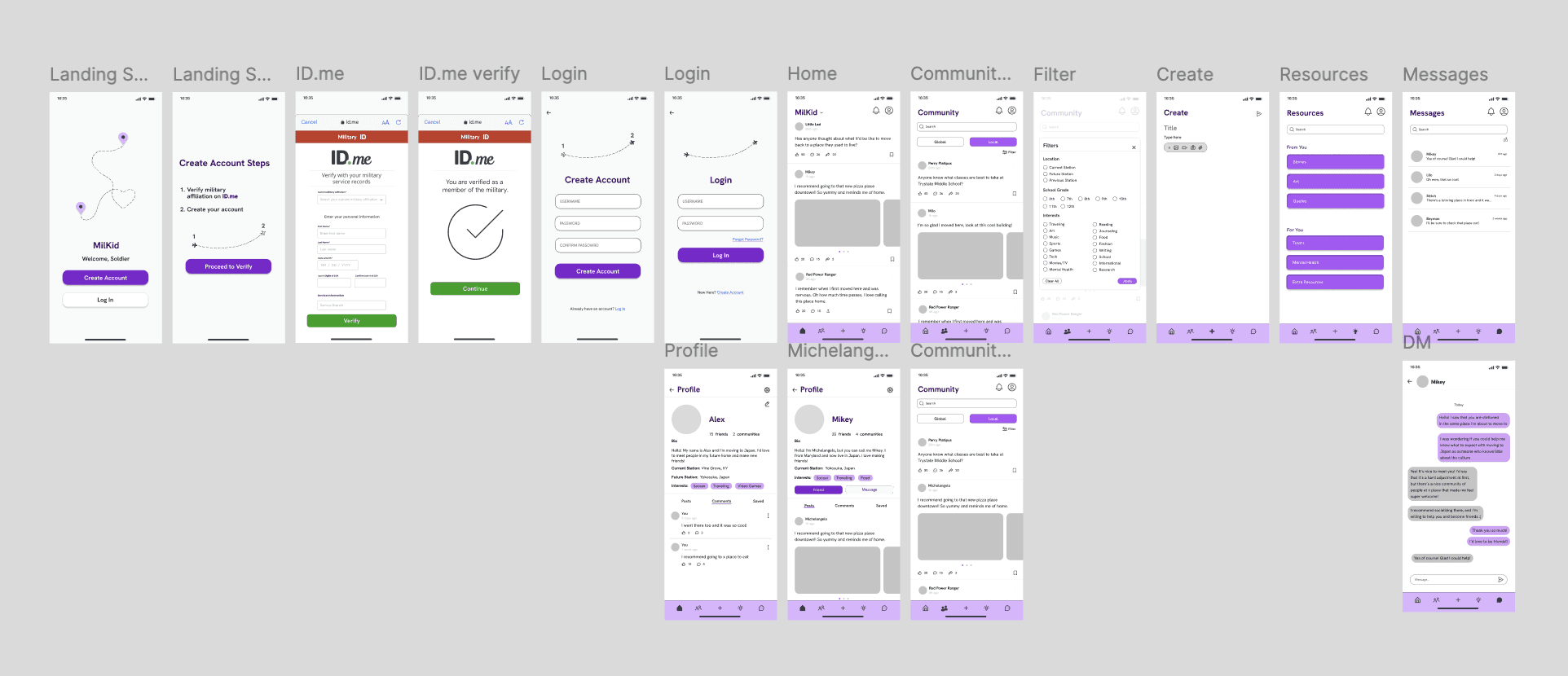
SCREENS

Final Prototype

MilKid is an app that:

MilKid is an app that:

  • Allows for socializing among military kids along a global and local scale

  • Has security to ensure that information is not leaked and kids are safe

  • Enables military kids to have a less anxiety-inducing experience when moving

  • Includes resources provided by the military

Video Demo

Takeaways

Reflection

Through this project, I learned:

1

How to balance security with accessibility when designing for vulnerable users

2

My experience isn't universal. I was a military kid, but it doesn't mean I understood everyone's story

3

How to prioritize under pressure when working on my first solo prototype during finals week

Thanks for stopping by!

I appreciate your time in looking through my portfolio.

My goal is to create with a purpose, and hopefully we can do so together!

© 2026 Carissa Francisco All rights reserved.

Thanks for stopping by!

I appreciate your time in looking through my portfolio. My goal is to create with a purpose, and hopefully we can do so together!

© 2026 Carissa Francisco All rights reserved.

Thanks for stopping by!

I appreciate your time in looking through my portfolio.

My goal is to create with a purpose, and hopefully we can do so together!

© 2026 Carissa Francisco All rights reserved.