Target: Designing with Latin American Communities in Mind

Guiding design research for a Fortune 500 institution's Hispanic Heritage Month Strategy

OVERVIEW

Guiding design research for a Fortune 500 institution's Hispanic Heritage Month strategy

*I have redacted proprietary information from this case study. All information is my own & does not necessarily reflect the views of the organization*

*I have redacted proprietary information from this case study. All information is my own & does not necessarily reflect the views of the organization*

Company

Target

Role

UX Research

Team

9 Members

Duration

6 Months

The brief

Latin American culture is rich and diverse, shaped by a blend of indigenous, European and global influences. Our team was tasked with uncovering nuanced visual expressions of Hispanic and Latino(a) culture to guide authentic design and representation for Target.

Outcome

Through a combination of qualitative and quantitative methods, we made a comprehensive acumen that informed meaningful insights that shaped inclusive, culturally respectful design solutions rooted in the lived experiences of the community.

Key Results

0
+

artifacts reviewed and analyzed

to understand visual aesthetics

artifacts reviewed and analyzed to understand visual aesthetics

0
+

in-depth interviews

conducted

in-depth interviews

conducted

0
+

secondary, scholarly

research sources evaluated

secondary, scholarly research sources evaluated

process

Designing to belong

Our 4 objectives were to understand:

1

How is Latin American culture defined?

2

What constitutes their authenticity? 

3

What influences their identity? 

4

What can brands do? 

Photo provided by Adobe

Photo provided by Adobe

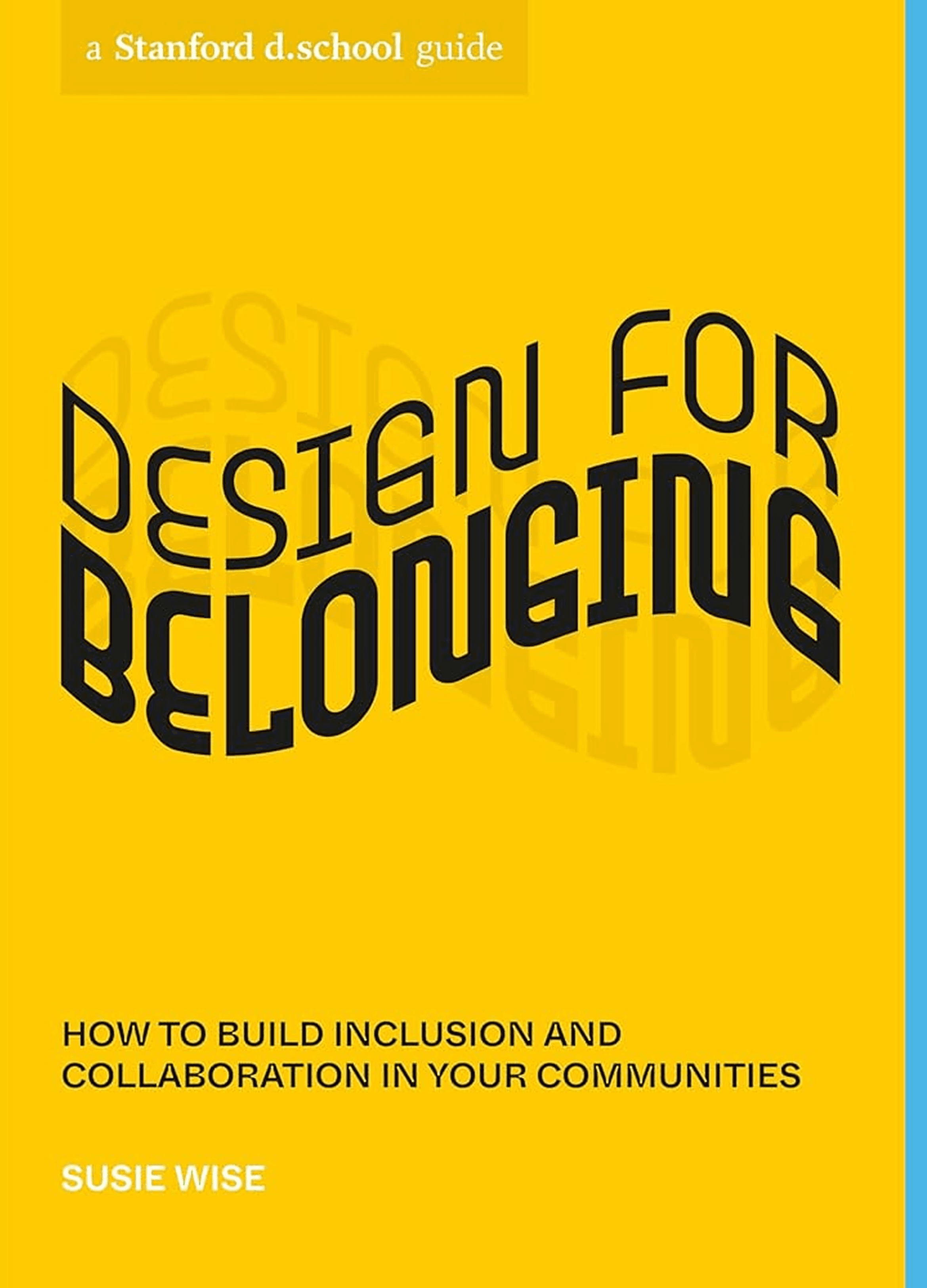
The 9 Levers to Design for Belonging

The 9 Levers to Design for Belonging

Belonging is feeling accepted and invited to participate. We used these levers to drive our research as they are present in the retail environment:

Belonging is feeling accepted and invited to participate. We used these levers to drive our research as they are present in the retail environment:

Space

Physical environments that shape how people feel included.

Clothes

What people wear to express identity and belonging.

Food

Sharing meals to foster bonds and cultural appreciation.

Schedules and Rhythms

Timing and routines that enable participation.

Rituals

Practices that reinforce group identity and connection.

Group

The people and relationships that create connection.

Roles

Responsibilities that help people feel valued and essential.

Food

Sharing meals to foster bonds and cultural appreciation.

Group

The people and relationships that create connection.

Rituals

Practices that reinforce group identity and connection.

Events

Gatherings that create shared experiences and bonds.

Roles

Responsibilities that help people feel valued and essential.

Communication

Exchanges that signal inclusion or exclusion.

Schedules and Rhythms

Timing and routines that enable participation.

Events

Gatherings that create shared experiences and bonds.

Business

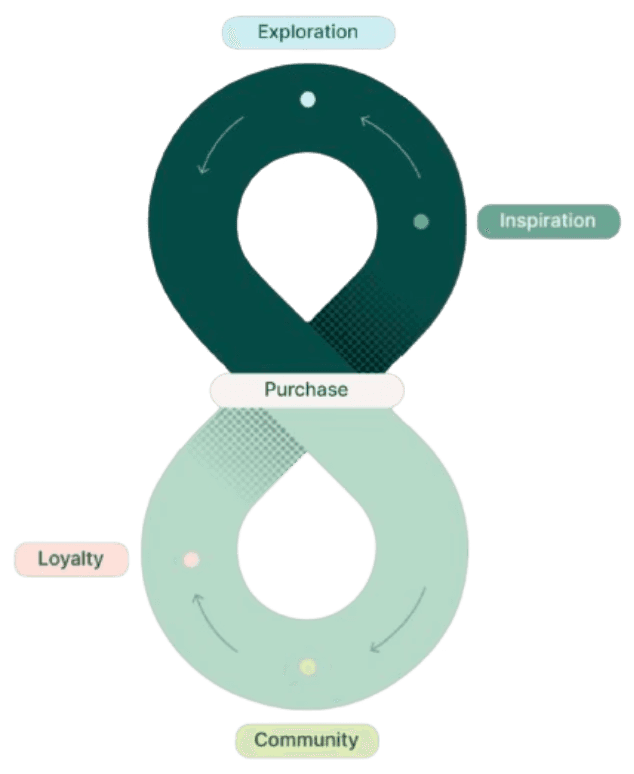
From the conversion funnel to the loyalty loop

Aspire believes the traditional conversion funnel is outdated, a linear path is to be replaced

with a complex buying environment.


Today’s consumers enter, exit, and re-enter at different stages of the purchase journey based on their needs and wants.


  • No start or end point.

  • An infinite loop of inspiration, exploration, community, and loyalty.

  • Multiple touchpoints are needed to meet consumers where they are.

  • No about ads. It’s about curating brand experiences that resonate.

  • Trusted recommendations from social media increasingly influence shoppers.


Aspire believes the traditional conversion funnel is outdated, a linear path is to be replaced with a complex buying environment.


Today’s consumers enter, exit, and re-enter at different stages of the purchase journey based on their needs and wants.


  • No start or end point.

  • An infinite loop of inspiration, exploration, community, and loyalty.

  • Multiple touchpoints are needed to meet consumers where they are.

  • No about ads. It’s about curating brand experiences that resonate.

  • Trusted recommendations from social media increasingly influence shoppers.


Collaboration vs Appropriation

We advised ways the company could avoid cultural appropriation through these principles:

  • Consent First

  • Shared Control

  • Credit & Transparency

  • Cultural Respect

  • Fair Exchange

background RESEARCH

Examining 24 countries
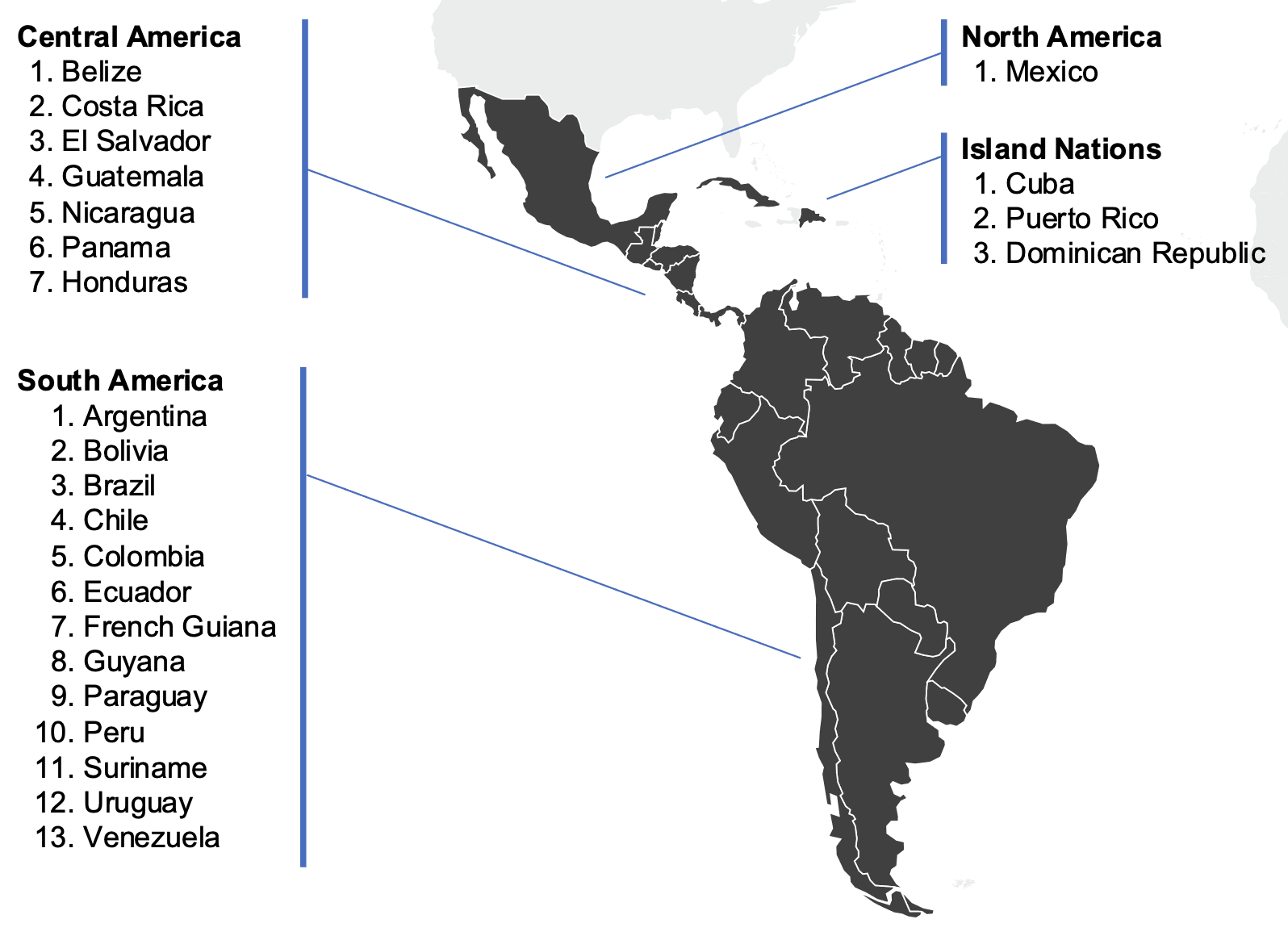
Our scope spanned across Central and South American countries and island nations. Each country and region has its own unique customs, languages, and traditions.


We researched cities with high populations of Hispanic descent throughout the US to find areas Target can market to with the greatest potential reach.

Our scope spanned across Central and South American countries and island nations. Each country and region has its own unique customs, languages, and traditions.

We researched cities with high Hispanic/Latino population segments throughout the US to find areas with the greatest potential reach.

Lit review + cluster assessment

We researched and sifted through 60 books and scholarly sources on Hispanic culture and identity. We then created a thematic analysis on our findings.


I grouped findings based on:


  • Culture and identity

  • Human touch vs Corporate feel

We researched and sifted through 60 books and scholarly sources on Hispanic culture and identity. We then created a thematic analysis on our findings.


I grouped findings based on:


  • Culture and identity

  • Human touch vs Corporate feel

We researched and sifted through 60 books and scholarly sources on Hispanic culture and identity. We then created a thematic analysis on our findings.


I grouped findings based on:


  • Culture and identity

  • Human touch vs Corporate feel

Images blurred to protect confidentiality

Primary research

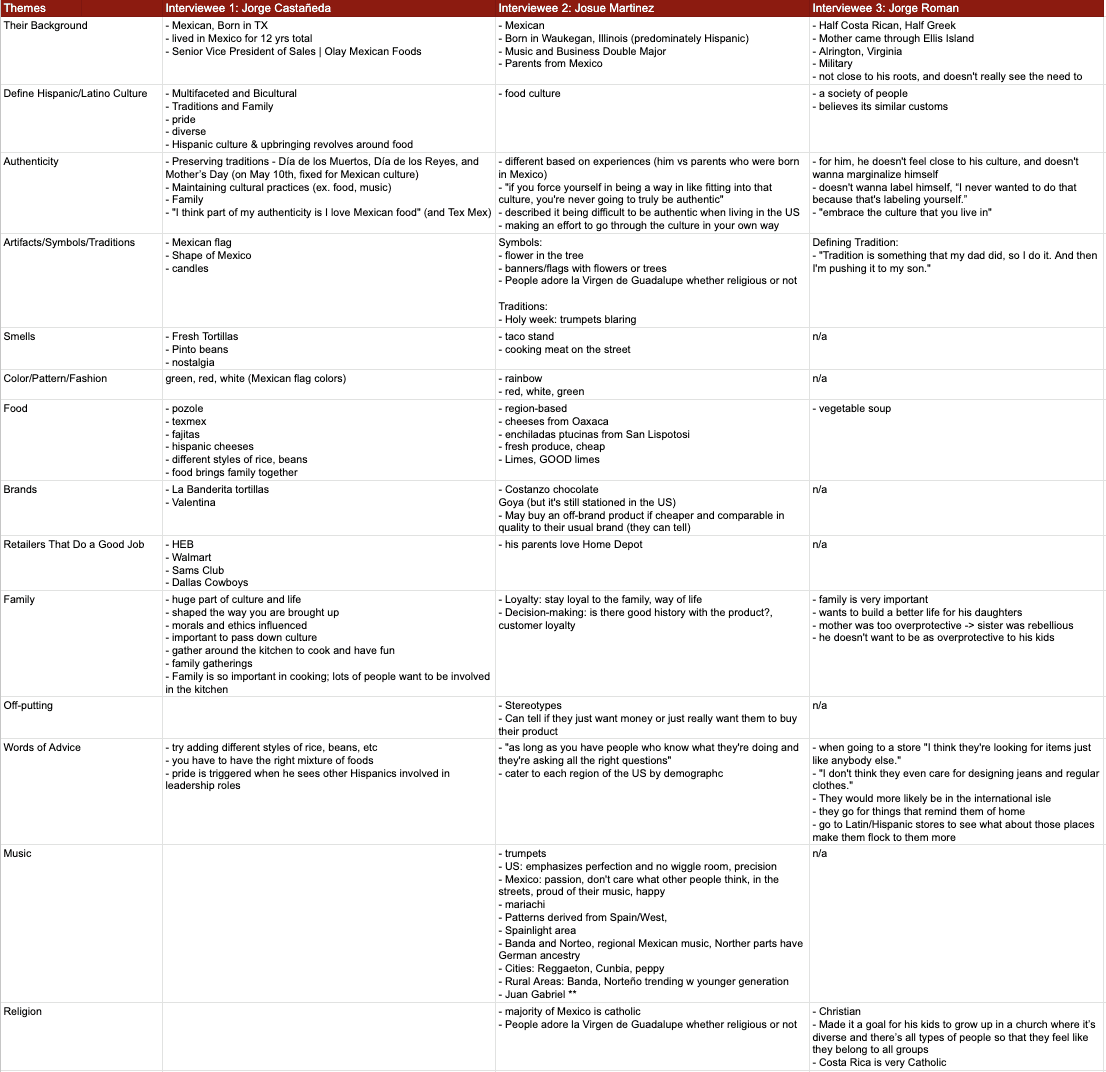
I conducted 6 in-depth interviews with various individuals from different Hispanic backgrounds

I interviewed 5 first-generation and 1 second-generation Hispanic-American individuals with Mexican, Puerto Rican, Guatemalan, and Costa Rican roots.

I coded the interviews into to these themes:

  • Their Background

  • Their Definition of Hispanic/Latino Culture

  • Authenticity

  • Artifacts/Symbols/Traditions

  • Nostalgic Smells

  • Color/Pattern/Fashion

  • Food

  • Brands They Want to See

  • Retailers That Do a Good Job

  • Family

  • What They Find Off-putting

  • Words of Advice

  • Music

  • Religion

I coded the interviews into to these themes:

  • Their Background

  • Their Definition of Hispanic/Latino Culture

  • Authenticity

  • Artifacts/Symbols/Traditions

  • Nostalgic Smells

  • Color/Pattern/Fashion

  • Food

  • Brands They Want to See

  • Retailers That Do a Good Job

  • Family

  • What They Find Off-putting

  • Words of Advice

  • Music

  • Religion

Images blurred to protect confidentiality

color

Creating color palletes for each country

I created color palettes for 2 countries

Through extensive research and exploring museums and areas around Dallas-Fort Worth, I gathered over 290 images and art from the countries of Guatemala and the Dominican Republic. With these artifacts, I made color pallete's based on thematic and recurring colors from each country.


I noticed differences in color themes between art and clothing within the countries and took them into account when discussing design solutions with Target's team.
Through extensive research and exploring museums, restaurants, and areas around Dallas-Fort Worth, I gathered over 290 images and art from the countries of Guatemala and the Dominican Republic. With these artifacts, I made color pallete's based on thematic and recurring colors from each country.


I noticed distinctive differences in color themes between art and clothing within the countries and took them into account when discussing design solutions.

Images blurred to protect confidentiality

Impact

Country-by-country lookbook

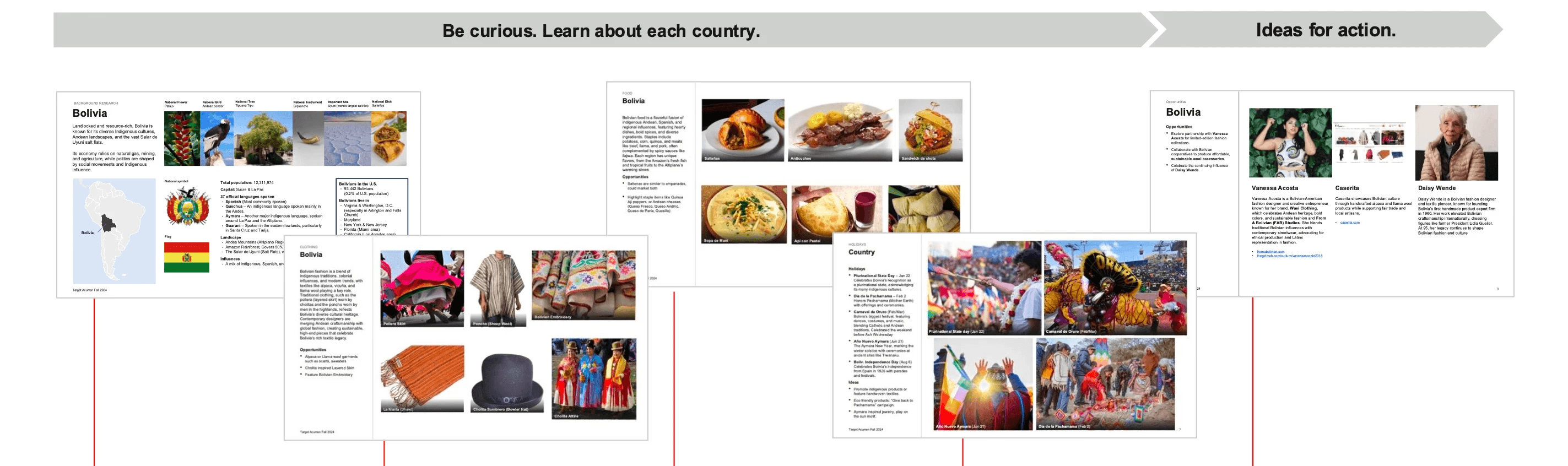
For each country, we provided 5 pages of information. It contained an Overview, Clothing, Food, Holiday, and Opportunities page.

For each country, we provided 5 pages of information. It contained an overview, clothing, food, holiday, and opportunities page.

Overview

  • Key country facts

  • Known for

  • Influences

  • Demographics in the US

Clothing

  • Common or historical clothing

Food

  • Common Foods

  • Ingredients, products, brands used

Holidays

  • Widely held observances

Opportunities

  • Designers to collaborate with

  • Tips on authenticity

  • Traditional dress associated with holidays


Takeaways

Reflection

1

How to work on a cross-functional team with stakeholders that affect global company decisions

2

Making design decisions that are cognizant of business practices and prevent consumer backlash

3

How to conduct in-depth interviews with attention to questions asked and ethical practices

Thanks for stopping by!

I appreciate your time in looking through my portfolio. My goal is to create with a purpose, and hopefully we can do so together!

© 2026 Carissa Francisco All rights reserved.

Thanks for stopping by!

I appreciate your time in looking through my portfolio. My goal is to create with a purpose, and hopefully we can do so together!

© 2026 Carissa Francisco All rights reserved.

Thanks for stopping by!

I appreciate your time in looking through my portfolio. My goal is to create with a purpose, and hopefully we can do so together!

© 2026 Carissa Francisco All rights reserved.